Valletta in one day: what to see in Malta's capital
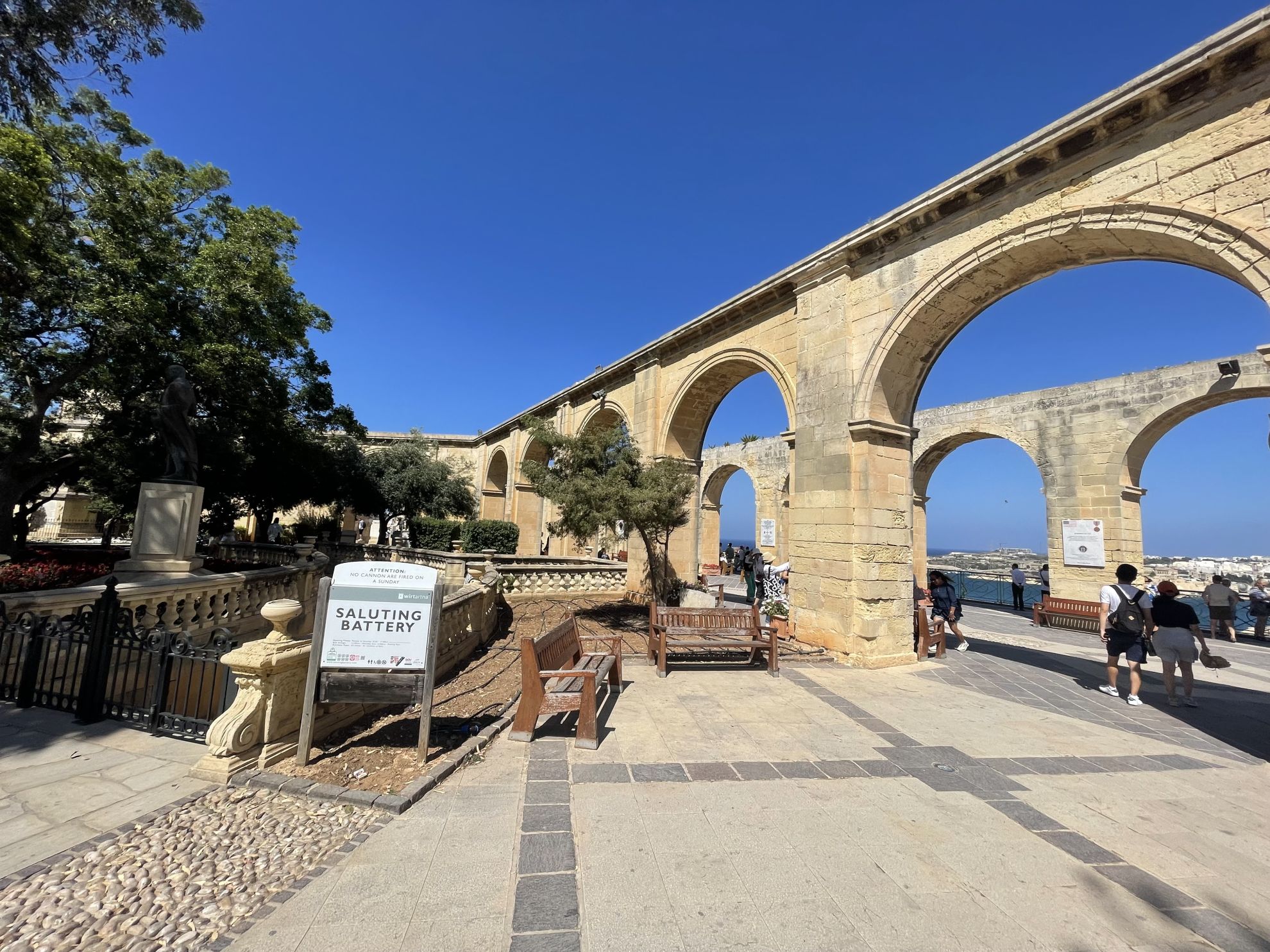
Valletta is one of the smallest capitals in Europe, yet its small peninsula holds more than three hundred historic monuments. The whole city is a UNESCO World Heritage Site, and its streets look much as they did centuries ago. The good news: you can easily explore Valletta on foot in one day. Below you'll find the main sights in the most convenient order.
A short history
The city was founded by the Knights of St John in 1566, right after the Great Siege, when they defended the island against the Ottoman Empire. It was named after the Order's Grand Master, Jean de Valette. Valletta was planned as a fortress from the start, which is why it has a regular street grid, massive bastions and sea views from almost every edge.
City Gate and Parliament
Start at City Gate, next to the bus terminus. The current gate and the modern Parliament building right behind it were designed by Renzo Piano. The contrast between contemporary architecture and the baroque city is a good introduction to today's Valletta.
Republic Street and Merchants Street
From the gate, Republic Street, the city's main street, runs the length of the peninsula, lined with cafés, shops and major landmarks. Parallel to it runs Merchants Street, quieter and good for a short break. Wander into the side streets sloping down to the sea – that's where you'll see Malta's iconic colourful wooden balconies.
St John's Co-Cathedral
This is the highlight of the day. Plain on the outside, St John's Co-Cathedral dazzles inside with gilded walls and around four hundred marble tombstones of the Knights. Its oratory houses Caravaggio's "The Beheading of Saint John the Baptist", the only painting the artist ever signed. Shoulders and knees must be covered inside.
Grandmaster's Palace
A few steps away stands the Grandmaster's Palace, the former seat of the Order's rulers and today the office of the President of Malta. Some of the state rooms and the armoury are open to visitors, and the courtyard is worth a look even if you're short on time.
Upper Barrakka Gardens
Upper Barrakka Gardens is Malta's most famous viewpoint, overlooking the Grand Harbour and the Three Cities. Arrive before noon: every day at midday a cannon is fired from the Saluting Battery below the gardens. Next to the gardens, the Barrakka Lift takes you down to harbour level.
Fort St Elmo and Lower Barrakka Gardens
At the very tip of the peninsula stands Fort St Elmo, home to the National War Museum. This is where the fiercest fighting of the Great Siege took place. On the way, take a break in Lower Barrakka Gardens, smaller and quieter than the upper ones, with views of the harbour entrance and the Siege Bell Memorial.
Strait Street in the evening
End the day on Strait Street, a narrow lane that was once the sailors' entertainment district and is now known for its atmospheric bars. It's a great place for dinner after a full day of sightseeing.
Got more time?
If you're staying longer, add:
- Manoel Theatre – one of the oldest working theatres in Europe,
- MUŻA – the National Museum of Art,
- Casa Rocca Piccola – a private noble palazzo, visited on guided tours,
- a ferry to the Three Cities across the harbour or to Sliema.
Practical tips
- Comfortable shoes: Valletta sits on a hill, and many streets are steep steps.
- Time of day: in summer, sightsee in the morning and late afternoon; midday can be very hot.
- Opening hours: museums and churches change them by season, so check before you go.
Walk the Valletta route for free
In the See It app, the Valletta route is free. It takes you through the capital's most interesting spots, and you can read or listen to the descriptions as you go, just like an audio guide. Each attraction also shows up-to-date opening hours and ticket prices.
Planning a longer stay? See our Malta in 3 days itinerary, where Valletta is day one of the trip.
Share:
Explore Malta and Gozo with the See It app