Malta in 3 days – a step-by-step itinerary
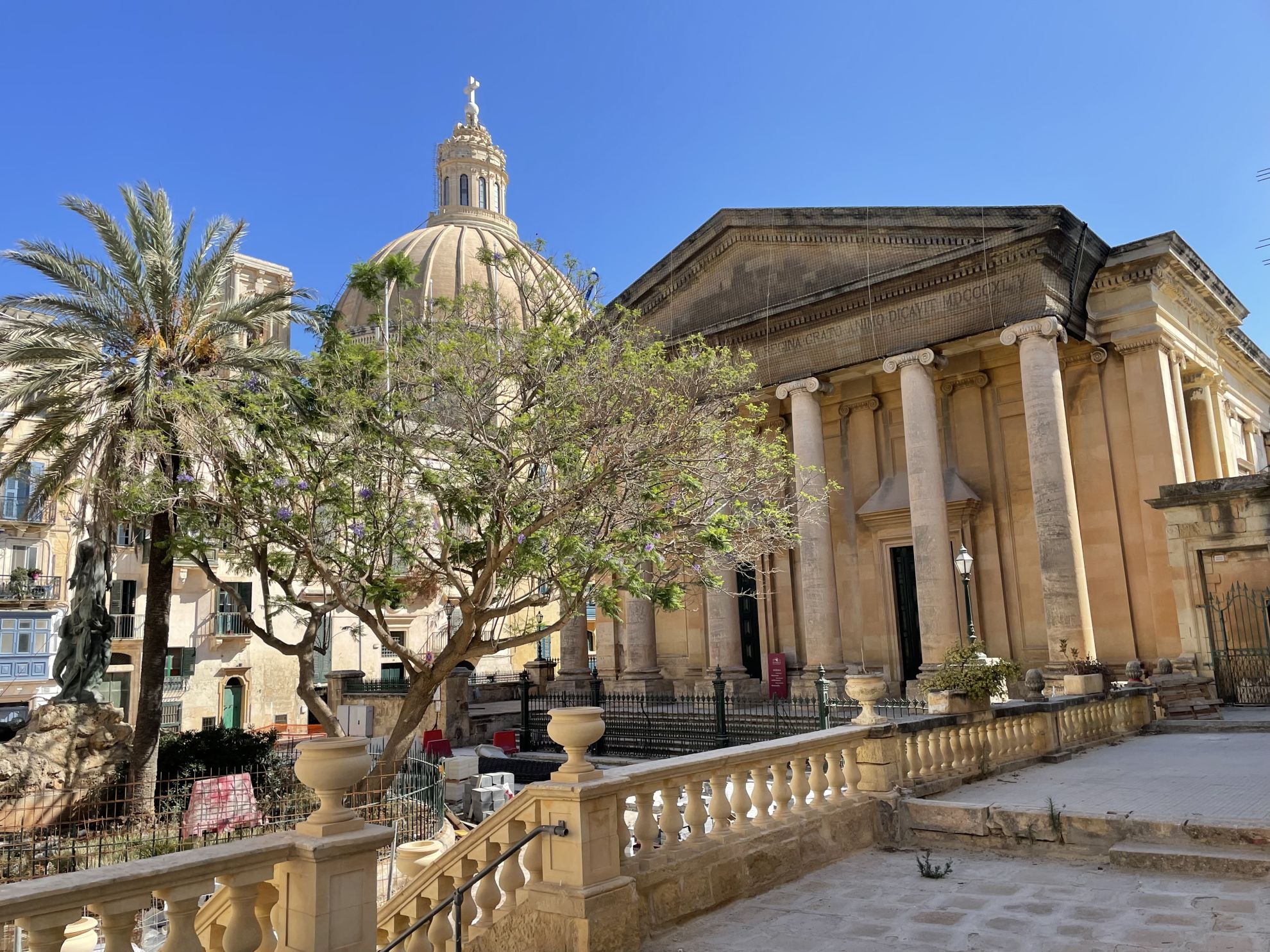
Malta is small but packed with history. On an island smaller than many capital cities you'll find a baroque capital, a medieval "silent city", temples older than the pyramids and cliffs dropping straight into turquoise water. Three days are enough to see the highlights if you plan well. Here is an itinerary that covers Valletta, Mdina, the south of the island and Gozo.
Before you start: a few practical tips
Where to stay. Valletta or Sliema make the most convenient base. Both have good bus connections to most places, and a ferry runs across the harbour between them.
Getting around. Malta has a dense bus network that reaches almost everywhere, although buses can be crowded and slow. If you want to see more in less time, consider renting a car for a day. Remember that Malta drives on the left.
When to go. Spring and autumn are the most pleasant. Summer heat can be intense, so visit the main sights in the morning.
Day 1: Valletta and the Three Cities
You can read more about the capital in the article –> Valletta in one day: what to see in Malta's capital
Valletta is a capital you can explore on foot in a day, and you'll still want to come back. The whole city is a UNESCO World Heritage Site.
St John's Co-Cathedral is a must. Plain on the outside, it dazzles inside with gilded walls and the marble tombstones of the Knights. Its oratory houses Caravaggio's "The Beheading of Saint John the Baptist", one of the painter's most important works.
Upper Barrakka Gardens offer the best view of the Grand Harbour and the Three Cities. Arrive before noon: every day at midday a cannon is fired from the Saluting Battery below the gardens.
In the afternoon, cross the harbour to the Three Cities: Birgu, Senglea and Cospicua. You can do it in a traditional dgħajsa boat. Birgu means narrow streets, forts and a much calmer atmosphere than the capital. End the day back in Valletta with dinner and a walk through the lit-up streets.
Tip: The Valletta route in the See It app is free. It takes you through the capital's most interesting spots, and you can read or listen to the descriptions as you go.
Day 2: Southern Malta and Mdina
Day two is a mix of sea, prehistory and the Middle Ages.
In the morning, head to Marsaxlokk, a fishing village known for its colourful luzzu boats with the "Eye of Osiris" painted on the bow. If it's Sunday, you'll catch the fish market.
From there it's a short trip to the Blue Grotto. A short boat ride takes you through sea caves where the water glows an intense blue. Boats only run when the sea is calm, so have a plan B.
Right next door are the Ħaġar Qim and Mnajdra temples, UNESCO-listed megalithic structures. They are over five thousand years old, which makes them older than Stonehenge and the pyramids of Giza.
In the afternoon, move on to Mdina, the island's former capital, known as the "silent city". Its narrow honey-coloured streets look their best in the evening, once the tour groups have left. From the bastions you can see almost all of Malta. In neighbouring Rabat you can visit St Paul's Catacombs.
Tip: Before you set off, check opening hours and ticket prices in the See It app. Museums and sights in Malta often change their hours depending on the season.
Day 3: Gozo
Gozo is Malta's little sister: greener, quieter and more rural. The ferry from Ċirkewwa in northern Malta to Mġarr on Gozo takes about 25 minutes and runs throughout the day.
Start at the Citadel in Victoria (known locally as Rabat), a fortified hilltop in the middle of the island. The walls offer a view over the whole of Gozo.
Then head to Dwejra on the west coast. The famous Azure Window collapsed in 2017, but the area is still spectacular: there's the Inland Sea, a lagoon connected to the open sea by a tunnel through the rock, and dramatic cliffs.
End the day on the red-gold sand of Ramla Bay or in Xlendi Bay, perfect for dinner with a sunset view.
Tip: Mobile signal on Gozo can be patchy. Download the route in See It before you go and you'll have descriptions and the map offline.
Got more time?
If you can stay longer, add Comino and its Blue Lagoon (go early, before the crowds arrive) or the Ħal Saflieni Hypogeum, an underground necropolis thousands of years old. Only small groups are allowed into the Hypogeum, so tickets need to be booked well in advance.
Explore at your own pace
Treat this plan as a starting point, not a rigid schedule. The See It app includes over 300 attractions in Malta and Gozo, 8 ready-made routes and a planner for building your own route. You can read the descriptions or listen to them like an audio guide, so you can explore without constantly looking at your phone.
Share:
Explore Malta and Gozo with the See It app