Hidden gems in Malta: 9 places off the beaten track
Valletta, Mdina and the Blue Lagoon can get very crowded in high season. Fortunately, Malta has a quieter side too. Here are places many visitors skip that show the islands from a completely different angle.
1. Floriana
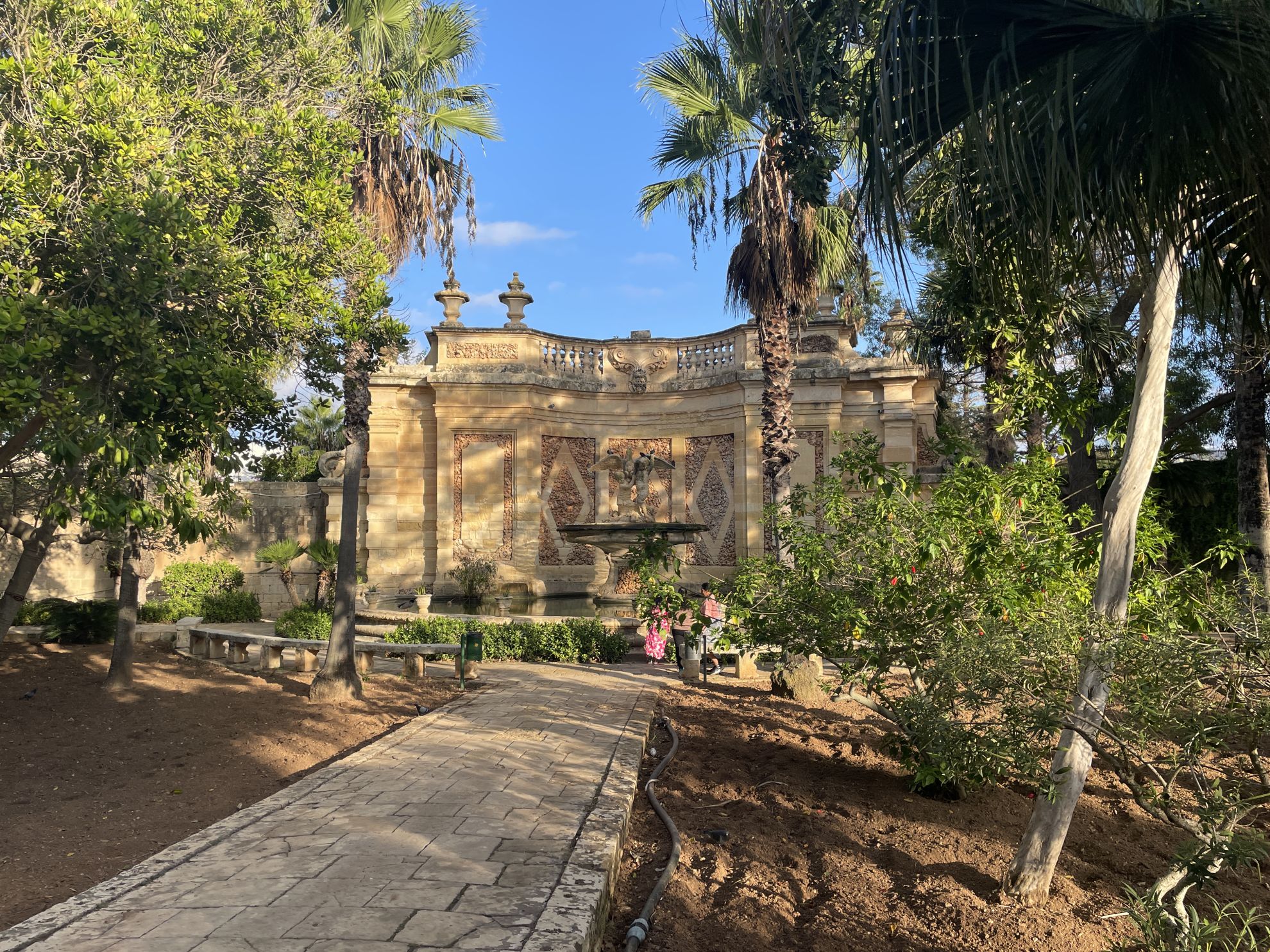
Floriana lies just outside Valletta's walls, and most visitors pass through it on the way to the capital without stopping. That's a shame, because it's a calm town with wide squares, the green Argotti and Mall gardens, and a monumental square in front of St Publius Church, built over the old underground granaries.
2. Għar Dalam
Għar Dalam is a cave in southern Malta where the oldest layers yielded bones of animals hundreds of thousands of years old, including dwarf elephants and hippos. The earliest evidence of human settlement on Malta, around 7,400 years old, was also found here. A museum stands next to the cave. It's one of the most interesting spots for anyone into nature and prehistory.
3. Dingli Cliffs
Dingli Cliffs are the highest point of Malta's coastline, overlooking the open sea and the tiny islet of Filfla. They're at their most beautiful at sunset. A path runs along the cliffs, perfect for a walk.
4. St Peter's Pool
St Peter's Pool near Marsaxlokk is a natural pool among flat rocks with crystal-clear water. There's no sand and no sunbeds, but it's one of the loveliest swimming spots on the island. It's getting more popular in summer, so come in the morning.
5. Clapham Junction
In southern Malta, near Dingli, lie the Clapham Junction cart ruts: hundreds of deep grooves cut into the rock. To this day, nobody knows for certain who made them or why. It's one of the islands' biggest archaeological mysteries.
6. Victoria Lines
The Victoria Lines are a 19th-century British defensive wall running across the whole island. Walking trails follow it, with views over northern Malta. A great choice if you want to combine sightseeing with a hike.
7. Fort Rinella
Fort Rinella in Kalkara houses a 100-ton Armstrong gun, one of only two surviving in the world (the other is in Gibraltar). The fort runs historical re-enactments that families with children especially enjoy.
8. Wied il-Għasri (Gozo)
In the north of Gozo is Wied il-Għasri, a narrow gorge cutting deep into the cliffs and ending in a tiny pebbly cove, reached by steps carved into the rock. It's beautiful, but swimming can be dangerous when the sea is rough.
9. Xwejni salt pans (Gozo)
Along the coast at Xwejni stretch the salt pans: hundreds of shallow rock-cut pools where sea salt has been harvested for generations. In summer you'll often meet families still collecting it and selling it on the spot.
Tips for exploring lesser-known places
- Plan your transport: buses don't always stop right at these places, so you may need to walk or rent a car.
- Check opening hours of museums and forts, as smaller sites are sometimes open only on certain days.
- Bring water and a hat: there's little shade along the cliffs and trails.
Explore Malta with See It
The See It app includes over 300 attractions in Malta and Gozo, including the less obvious ones, with photos, descriptions, opening hours and ticket prices. Use the planner to build your own route and mix the classics with hidden gems.
Starting with the classics? See our guide Valletta in one day.
Share:
Explore Malta and Gozo with the See It app