Best time to visit Malta: weather and highlights by season
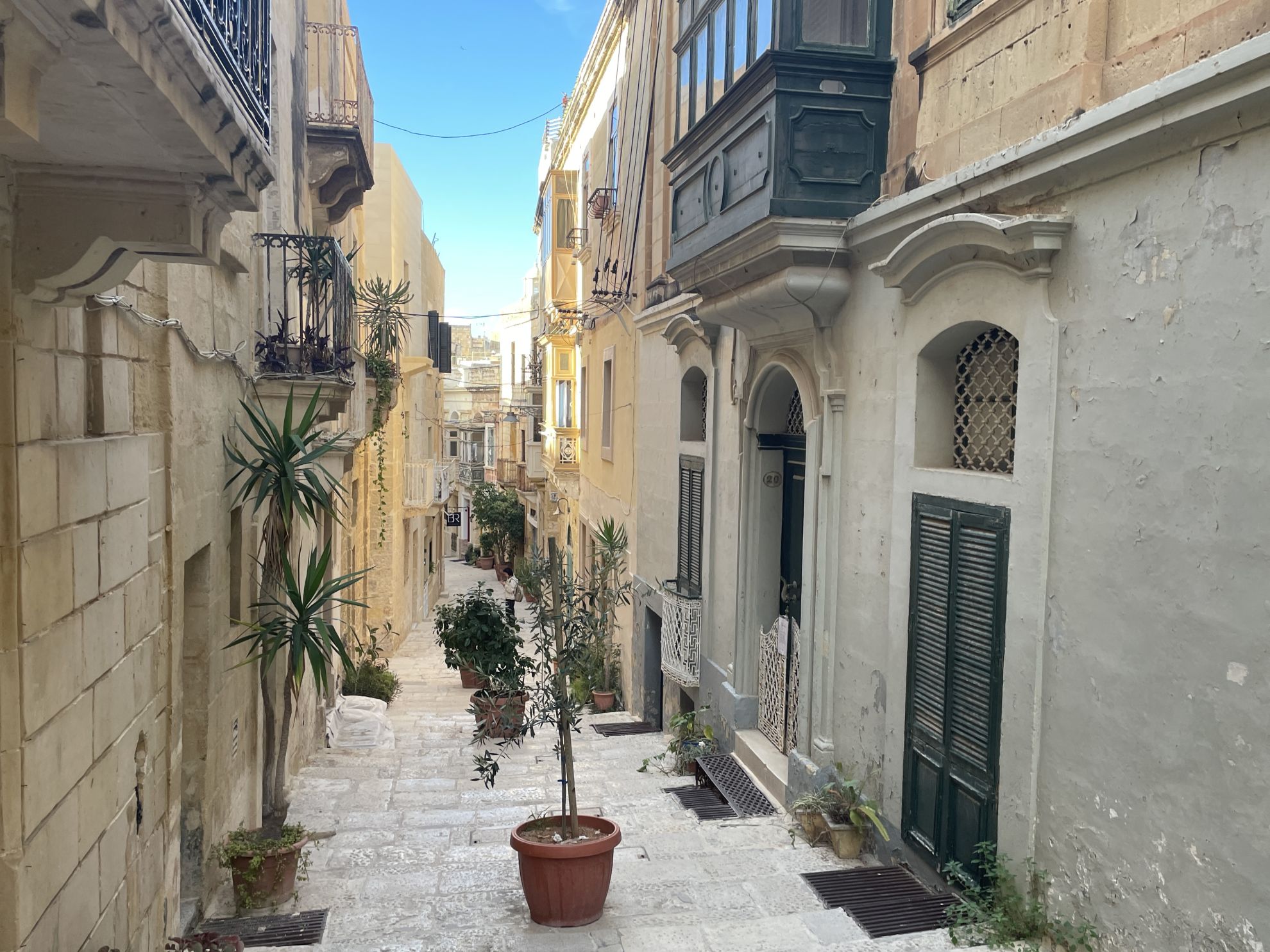
Malta enjoys over 300 sunny days a year, so there's almost always a good time to go. The choice depends on what you're after: beaches, sightseeing without the heat, or local festivals. Here's a quick look at the seasons.
Spring (March–May): best for sightseeing
Spring is warm but not hot, and the islands are unusually green and in bloom. It's the ideal time to explore Valletta and Mdina and to walk along the cliffs. The sea is still cool, so swimming is for the brave, especially in March and April. By late May it already feels like summer.
Summer (June–August): beaches and festas
Malta's summer is hot and dry, with temperatures in July and August often above 30°C. It's the best time for beaches and the Blue Lagoon, but also the busiest and most expensive period. Sightsee in the morning and late afternoon, and spend midday in the shade or by the water.
Summer is also festa season. Almost every town celebrates its patron saint with processions, brass bands, street decorations and fireworks. It's one of the most authentic experiences Malta has to offer.
Autumn (September–November): warm sea, fewer people
For many, September and October are the best time to visit Malta. The sea is at its warmest of the year, the heat eases off and the crowds thin out. You can combine sightseeing with beach days. November gets cooler and brings the first rainy days.
Winter (December–February): Malta at its quietest
Winter is mild, usually in the mid-to-high teens °C during the day, though it can be windy and rainy. It's the quietest and cheapest time to visit. Attractions are open, some with shorter hours. Swimming is mostly off the table, but sightseeing without crowds or heat has its charm. In February, colourful Carnival celebrations take place, liveliest in Valletta and on Gozo.
When to go – in short
- Sightseeing: April–June and September–October.
- Beaches and swimming: June–September, with the warmest sea in September.
- Fewer crowds and lower prices: November–March.
- Local festivals: festas in summer, Carnival in February.
A practical tip for any season
Opening hours of museums and sights in Malta change with the seasons. In winter many places close earlier, and in summer it's often the other way round. Always check before you set off.
Plan with the See It app
The See It app shows up-to-date opening hours and ticket prices for every attraction, so you can easily plan your day in any season. Choose from 8 ready-made routes or build your own with the planner.
For a ready-made first-visit plan, see our Malta in 3 days itinerary.
Share:
Explore Malta and Gozo with the See It app